
Does Europe Need a Defense Union?
“Does Europe Need a Defense Union?”
Cyprus’s stance and its implications for the Cyprus issue take center stage in a public discussion organized by OPEK and the Cyprus PRIO Center
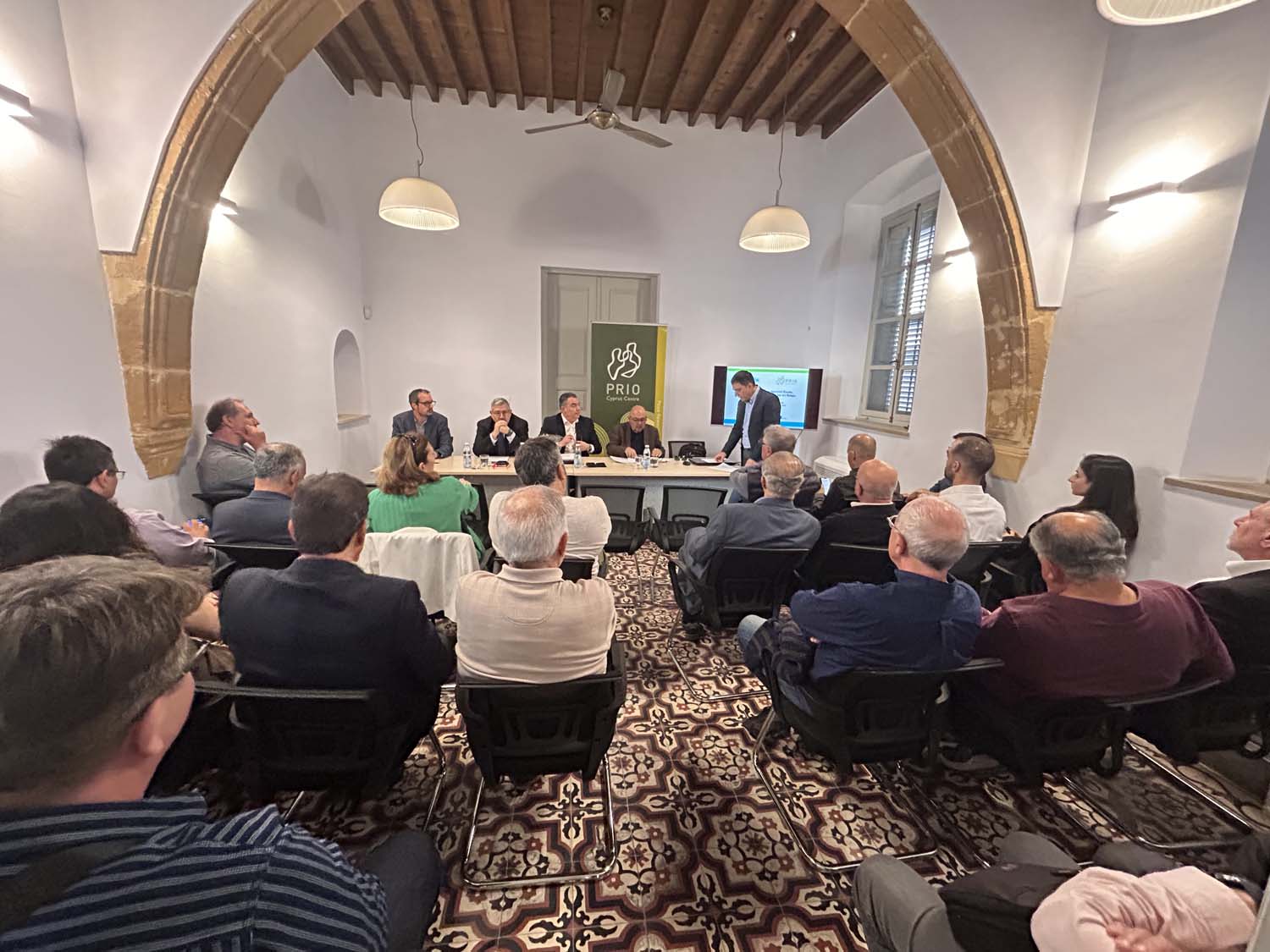
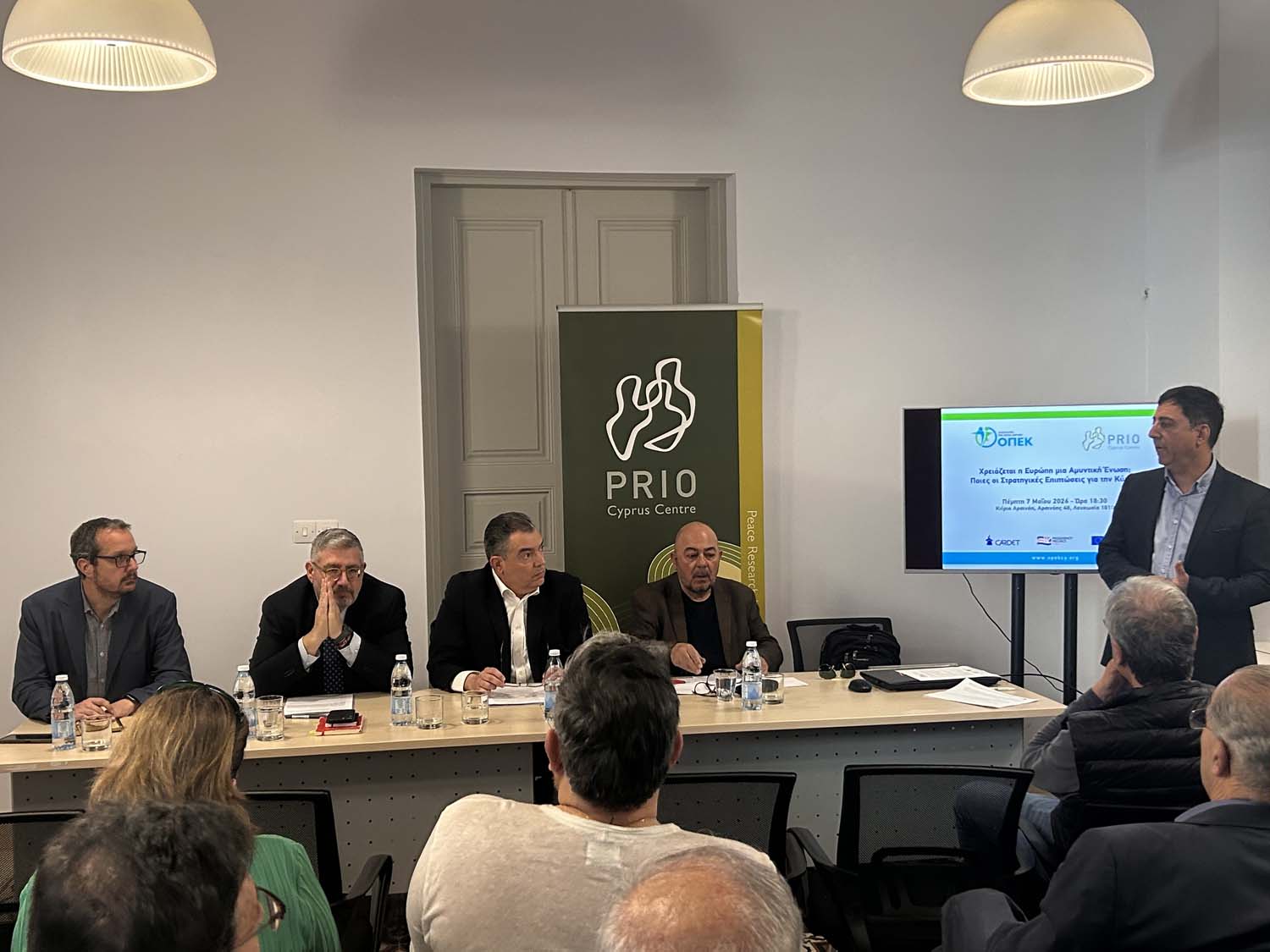
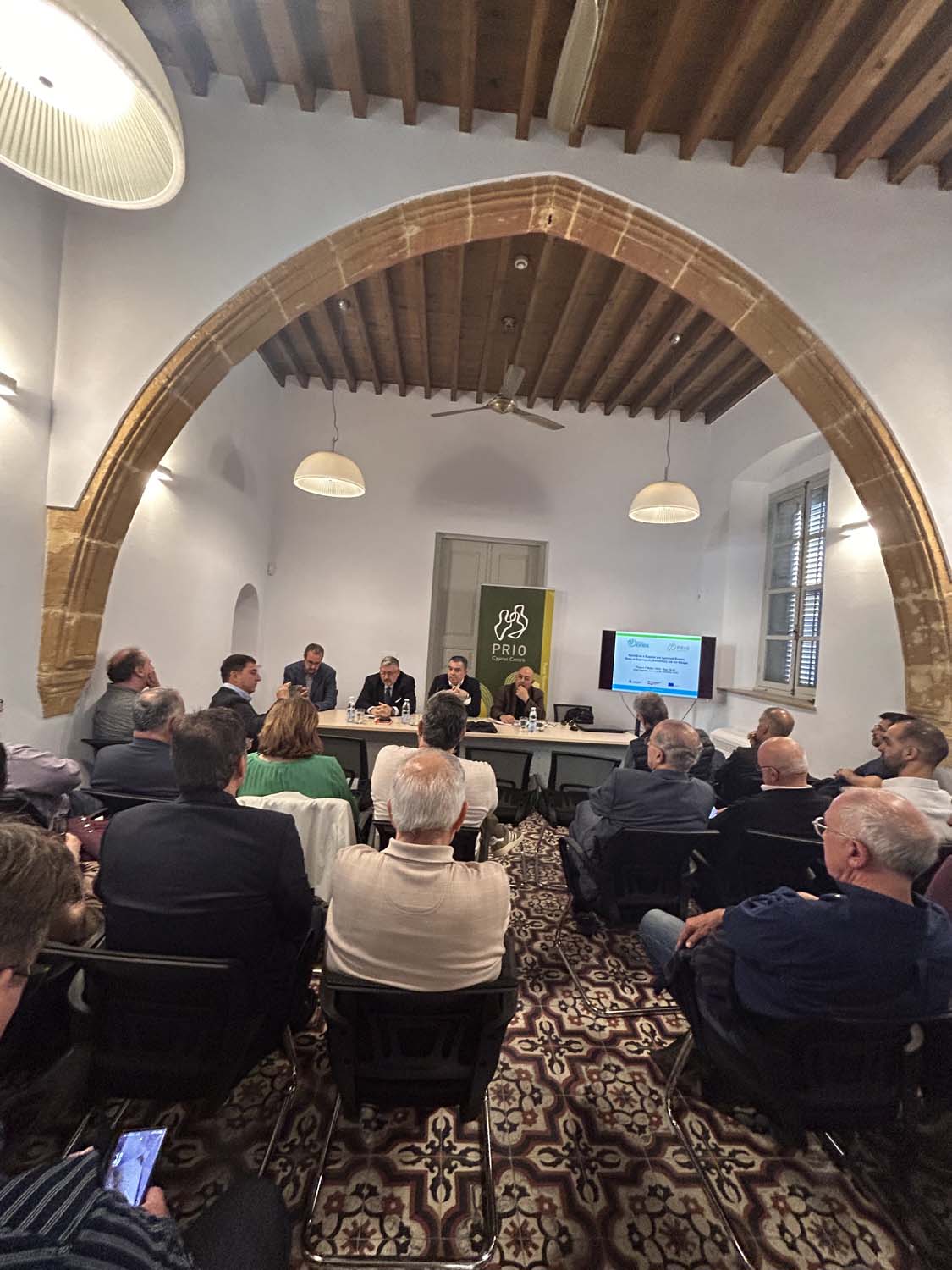
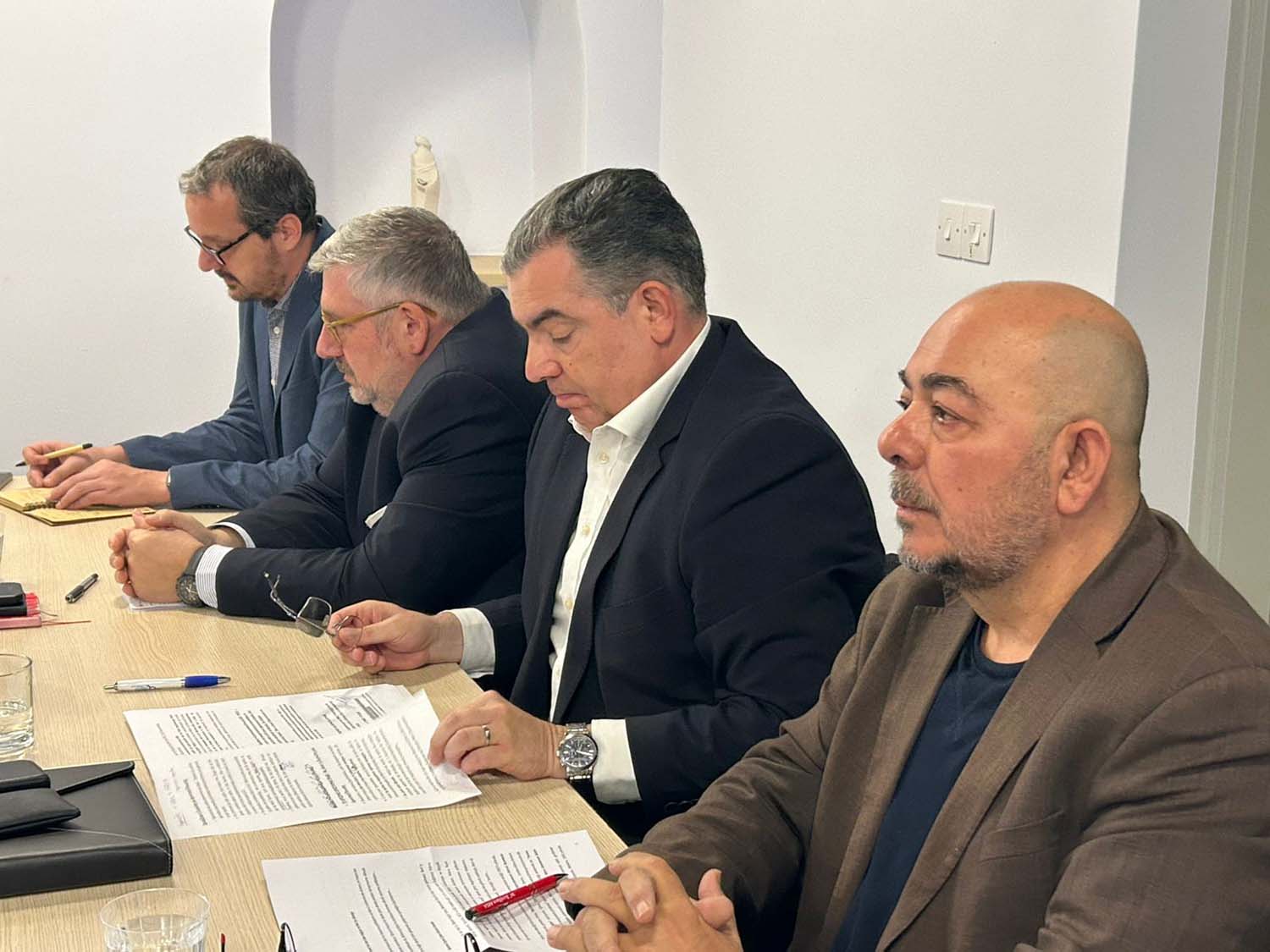
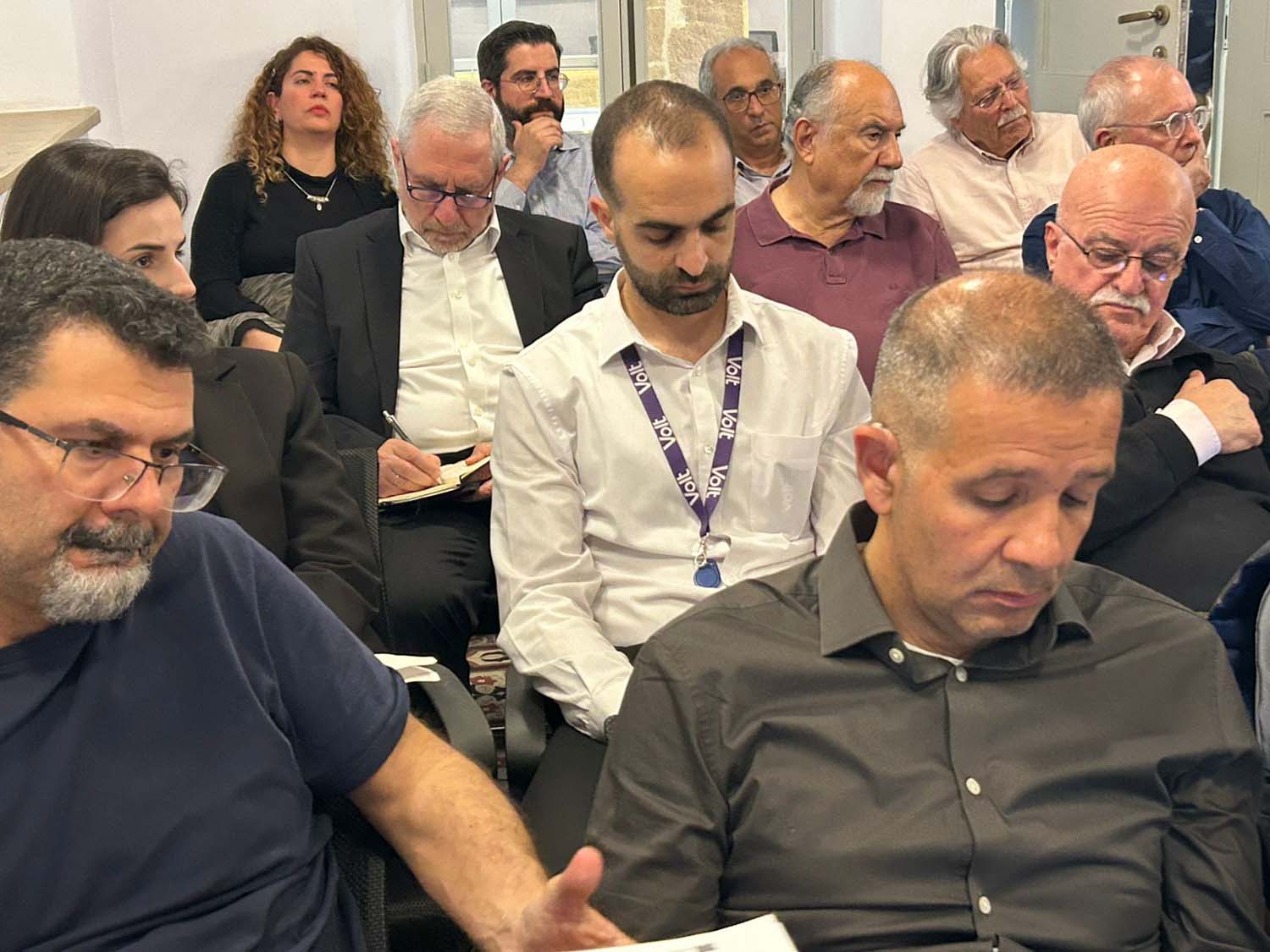
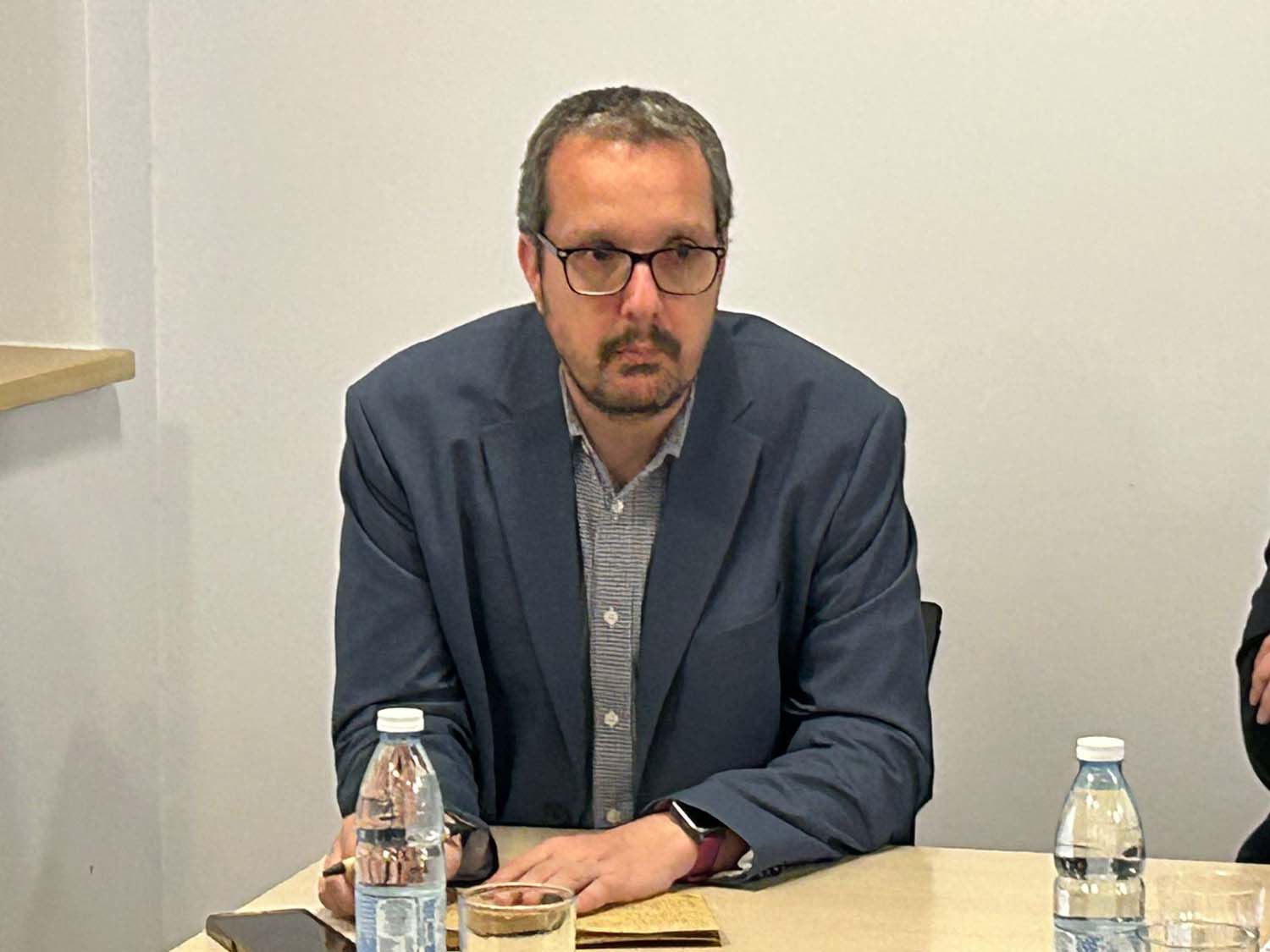
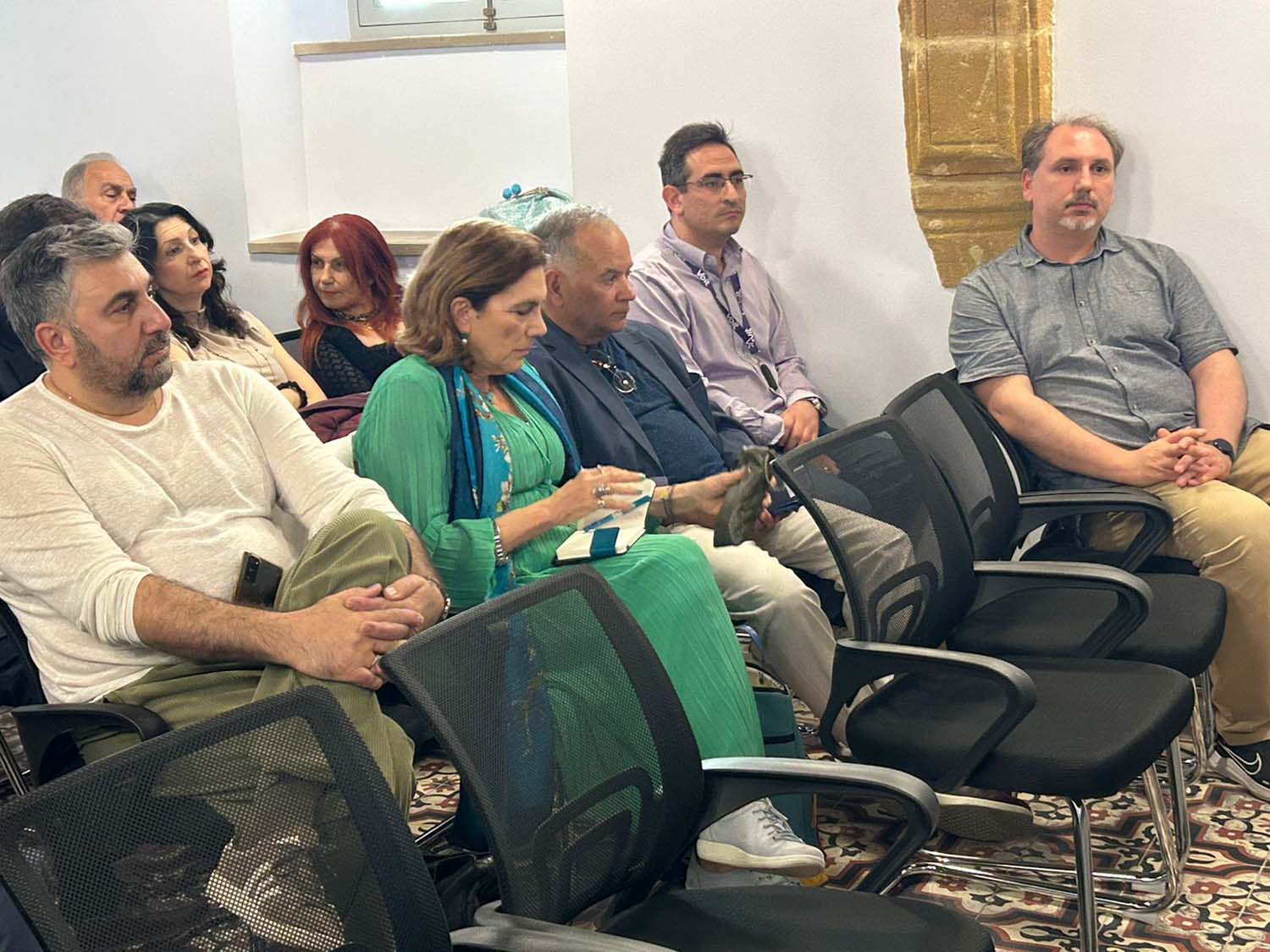
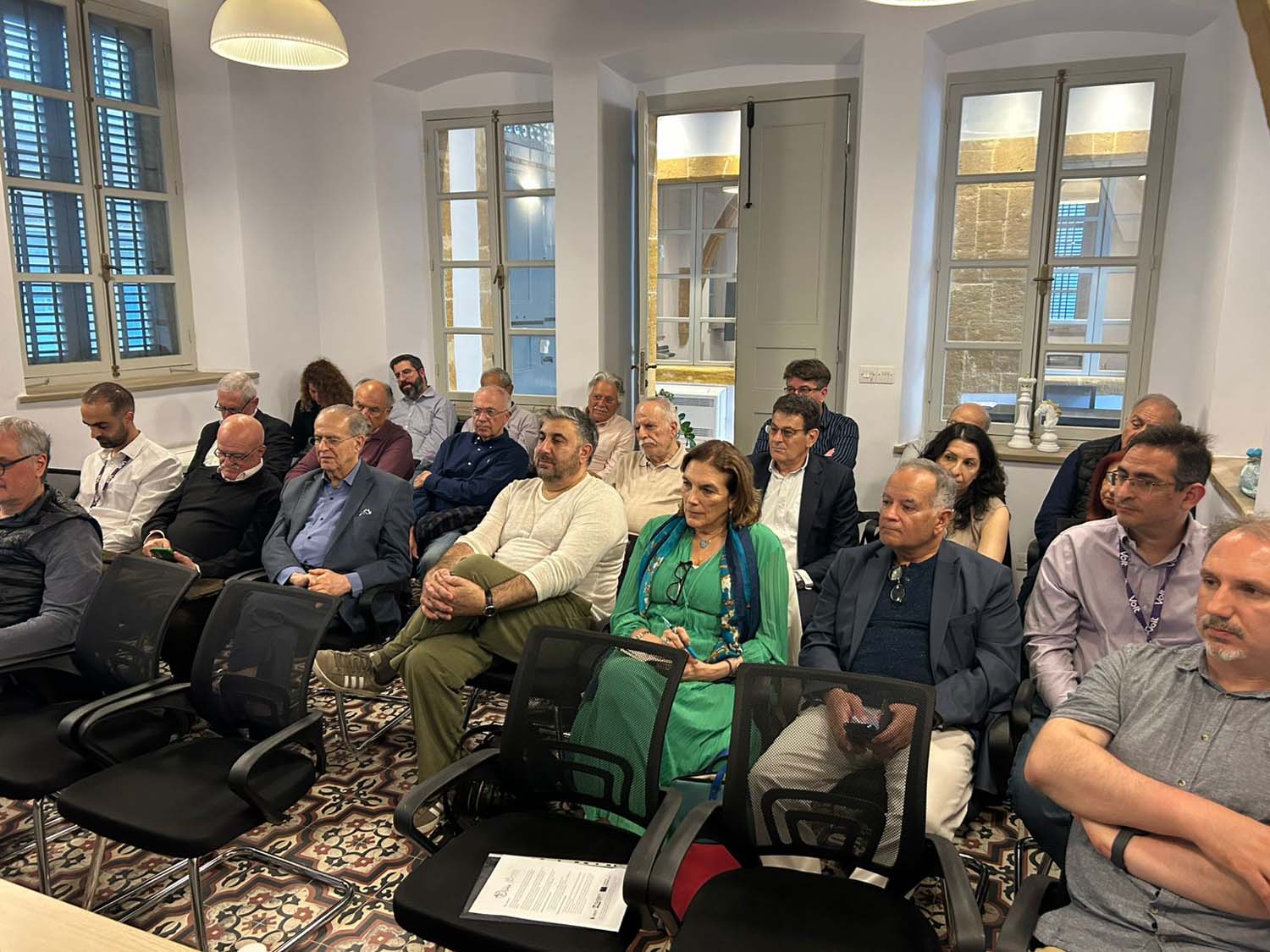
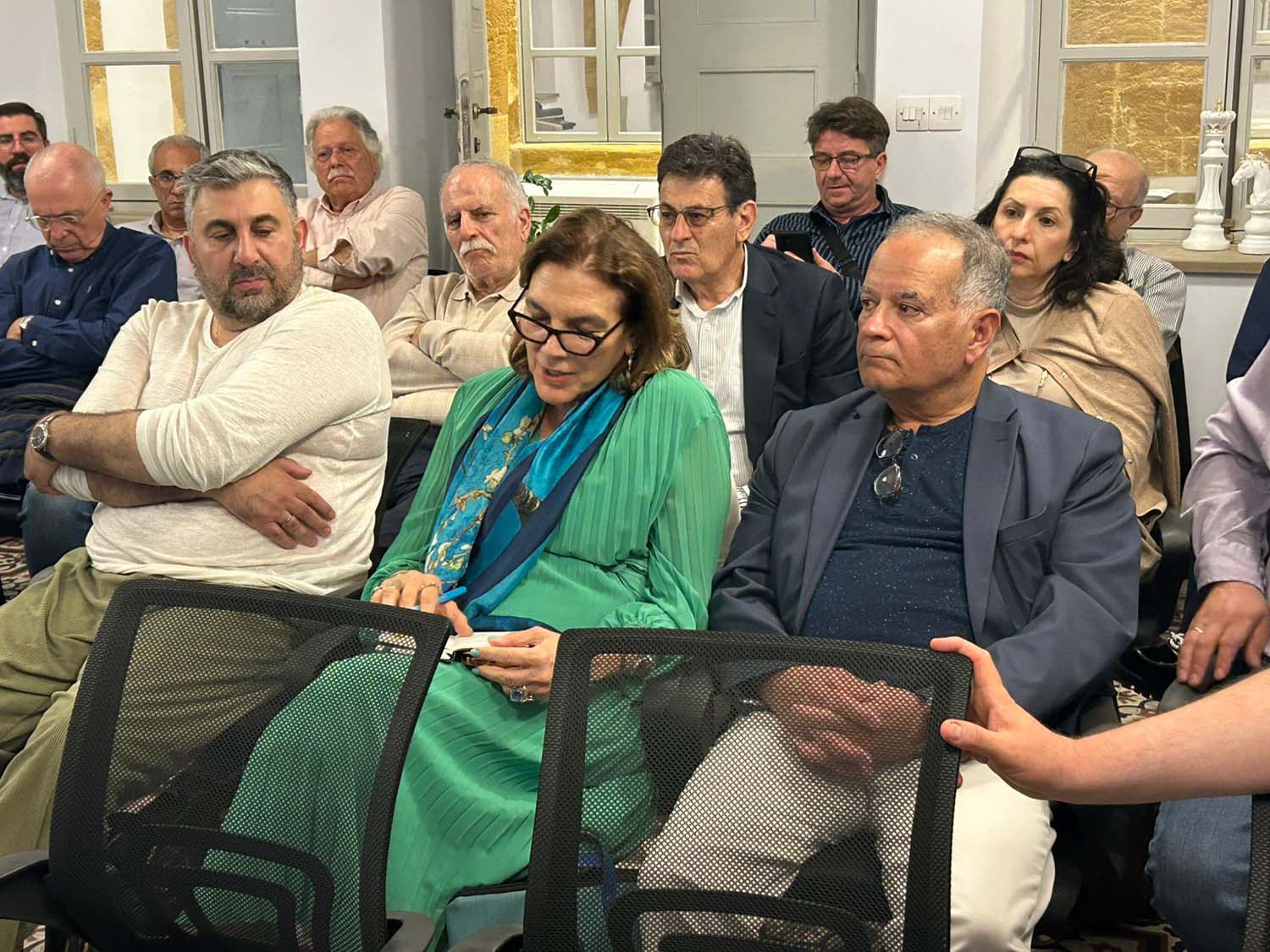
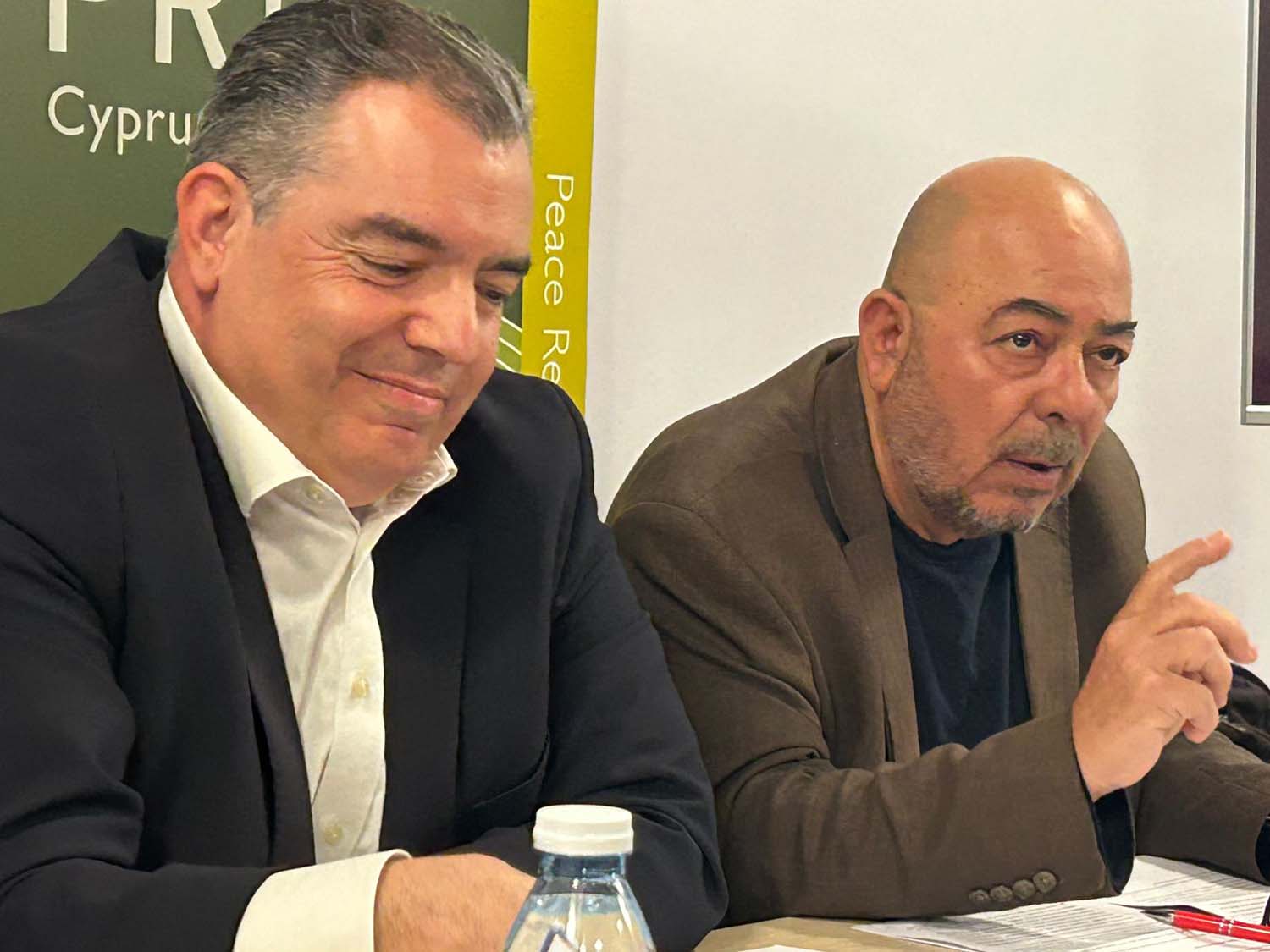
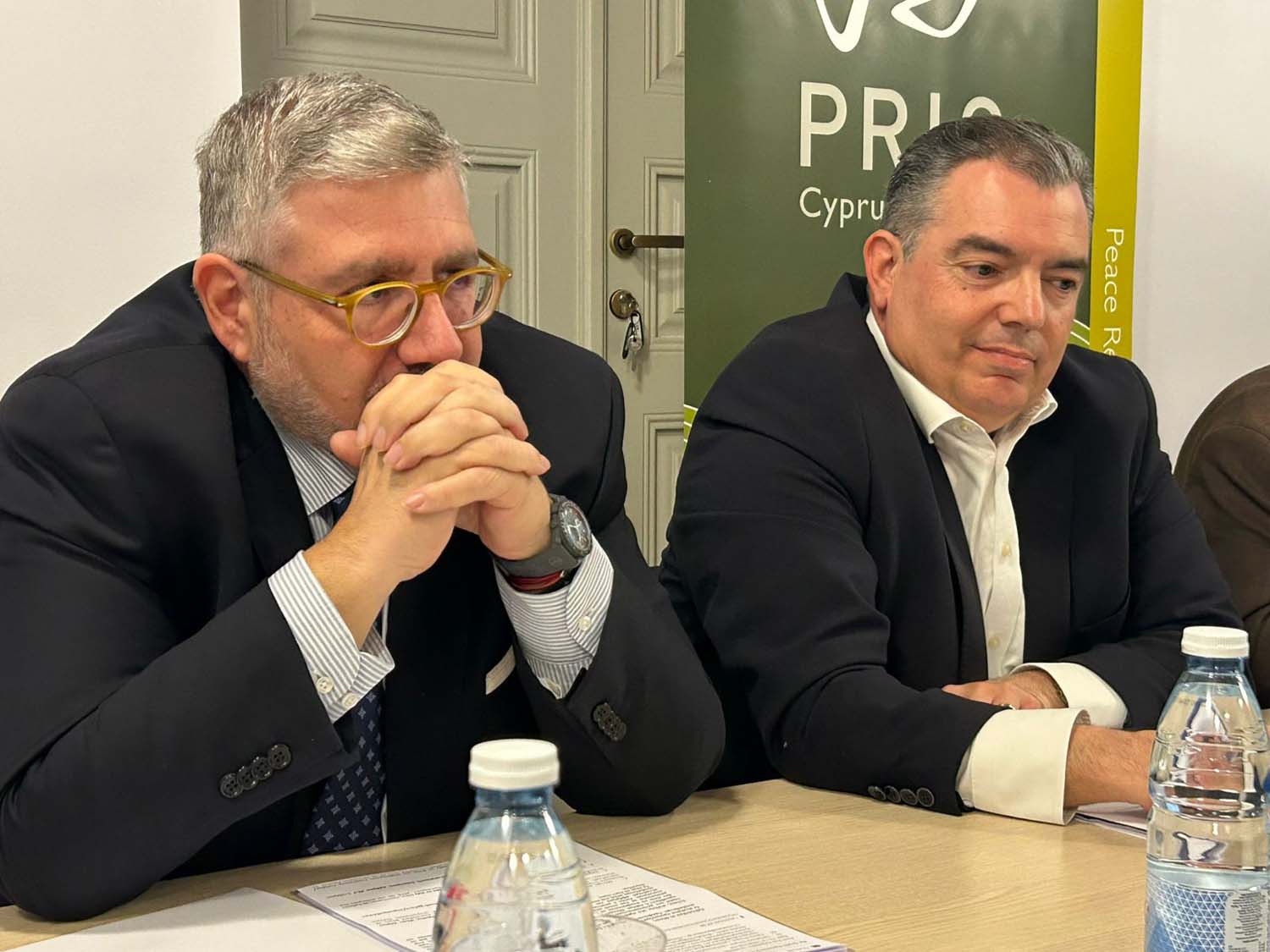
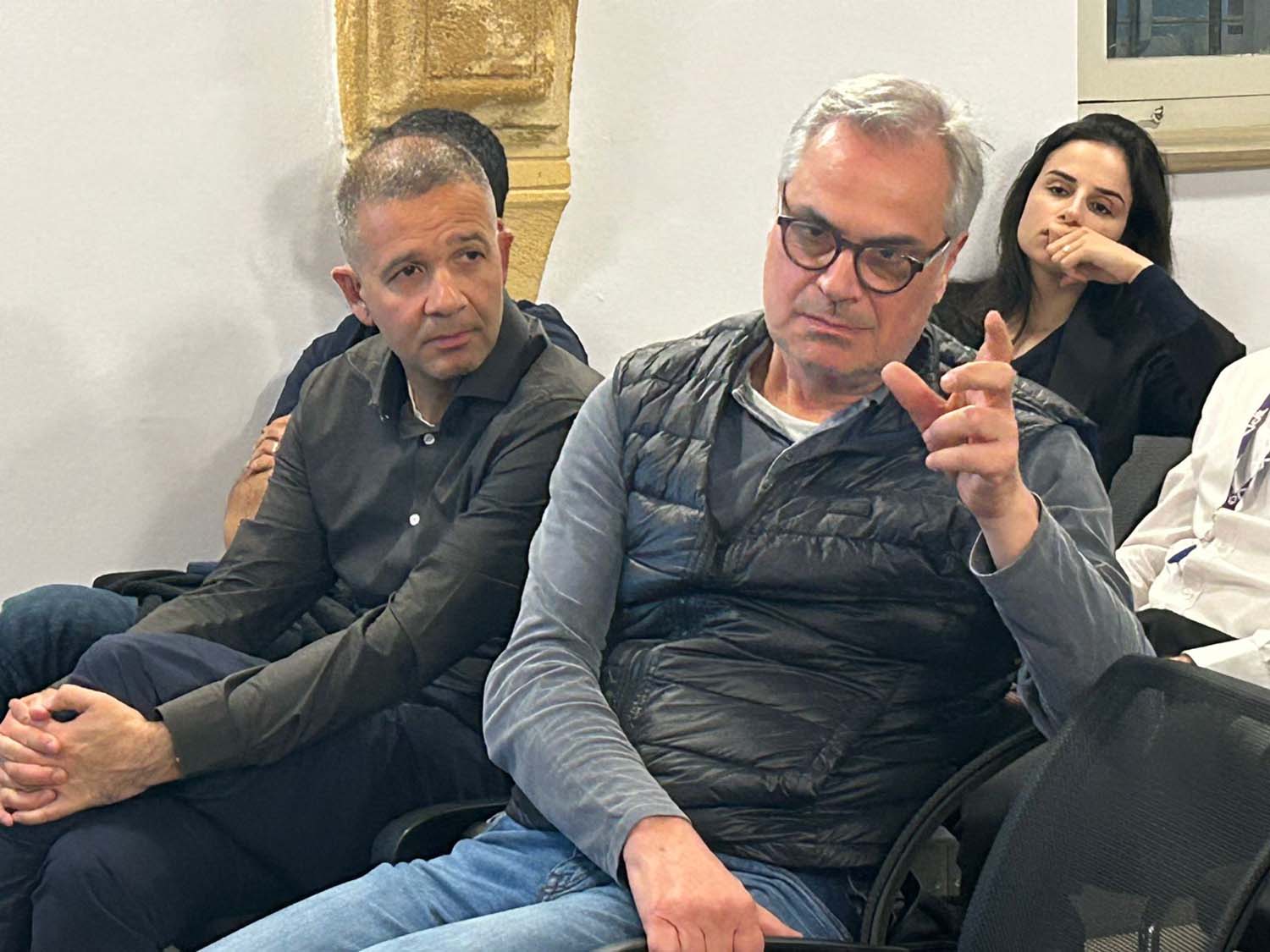
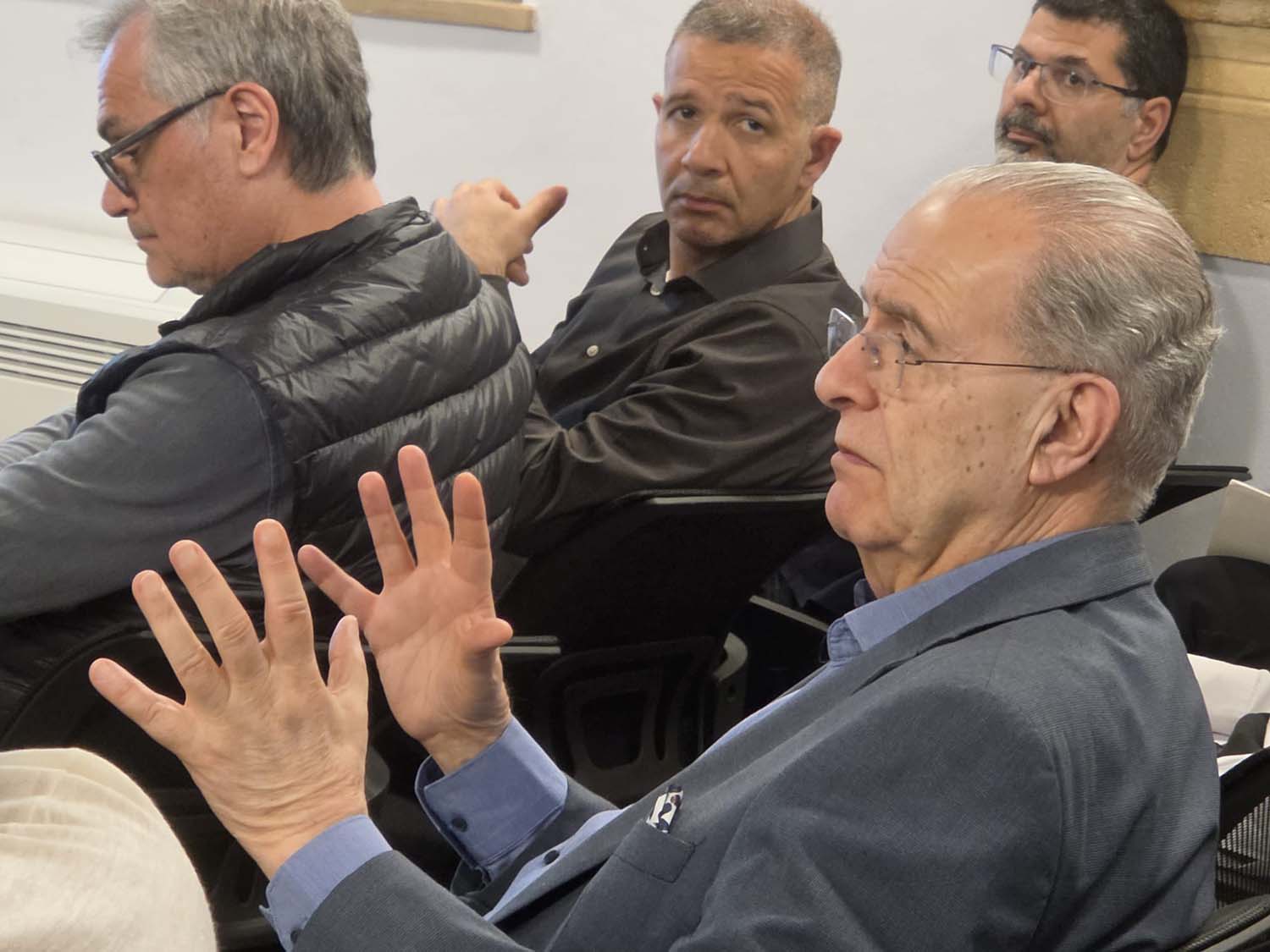
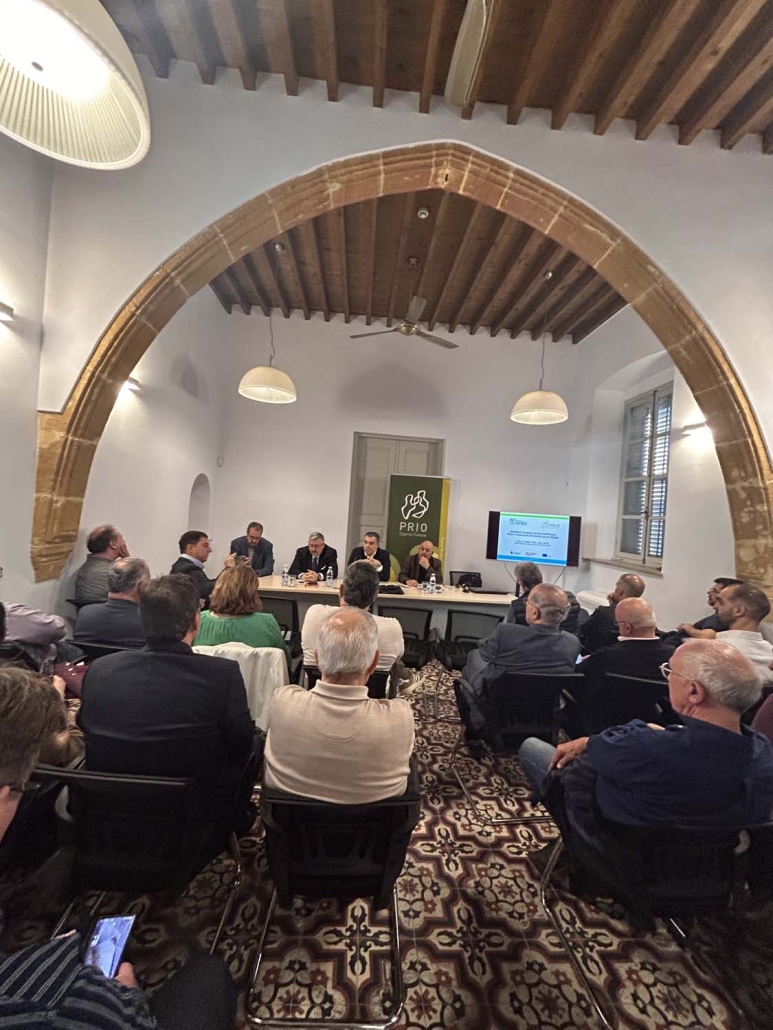
The implications for Cyprus and the Cyprus issue of the formation of a new European security architecture have been at the epicentre of a public debate organized on May 7 in Nicosia by the Association for Social Reform OPEK and the Peace Research Institute Oslo Cyprus Centre PRIO Cyprus Centre.
The event, titled “Does Europe Need a Defense Union? What Are the Strategic Implications for Cyprus?”, took place during a period of intense geopolitical turmoil, marked by the war in Ukraine, the crisis in the Middle East, and the debate over the European Union’s strategic autonomy, which is also on the agenda of the Cyprus Presidency of the Council.
A common element in all the speeches delivered was that the European debate on defense is no longer a theoretical or distant issue for Cyprus, but a development that directly affects the Cyprus issue, EU-Turkey relations, and the overall balance of power in the Eastern Mediterranean.
Former Minister of Defense Christoforos Fokaides, President of the Institute for Policy and Democracy Studies, argued that Cyprus must actively participate in European developments in the field of defense and security, emphasizing that a stronger European defense dimension could have a positive impact on a small state that continues to experience occupation and division.
As he noted, the debate on a common European Defense is directly linked to the European Union’s path toward political integration. If Europe seeks deeper political integration, then—in his view—it makes sense to develop a common foreign policy, defense mechanisms, and strategic capabilities.
Mr. Fokaidis emphasized, however, that for Cyprus the issue is not only geopolitical but also deeply political. He particularly emphasized the need to formulate a new narrative of “a united Cyprus,” noting that the Turkish Cypriot community cannot be excluded from the discussion on the future security of the island.
He even warned that time is working against the prospect of reunification if the political and social alienation of Turkish Cypriots from European institutions and from the Republic of Cyprus itself continues. In his view, Cyprus needs a comprehensive strategy that links European security with the prospect of a solution to the Cyprus problem.
The former Minister of Defense also assessed that the most likely scenario for the future is not a fully unified European army, but a multi-layered European security architecture, possibly through “coalitions of the willing” or a “Schengen of defense,” closely linked to NATO.
In his remarks, Niyazi Kizilyurek, an academic and former AKEL Member of the European Parliament, placed particular emphasis on the historical connection between the Cyprus issue and Turkey’s geopolitical position, as well as the West’s stance toward Cyprus.
As he noted, the Greek Cypriot leadership has historically viewed the West with suspicion, believing that Turkey’s strategic importance within NATO worked against Cypriot interests. He recalled that Cyprus’s geopolitical value to Ankara has decisively influenced the course of the Cyprus issue since the 1950s.
The former MEP argued that neither the policy of the Non-Aligned Movement nor Cyprus’s accession to the European Union ultimately led to a more favorable solution to the Cyprus problem for the Greek Cypriots, despite the expectations that had been raised.
He placed particular emphasis on the fact that Turkey is now considered strategically necessary for European security and that any European defense architecture would be difficult to achieve without Ankara’s participation or cooperation.
“We cannot ignore Turkey’s geopolitical significance,” he noted emphatically, warning that those who believe a future European defense policy will automatically work in Cyprus’s favor against Turkey are overlooking the real balance of power in Europe.
Mr. Kizilyurek also expressed concern about the gradual strategic convergence between Cyprus and Israel, arguing that the growing Turkey–Israel confrontation risks “spilling over into Cyprus itself,” further complicating the prospects for a solution.
The most fundamental political question, he said, is whether the Cypriot side is truly seeking reunification or whether it is gradually adapting to the logic of managing a permanently divided reality.
He placed particular emphasis on the need to integrate Turkish Cypriots into European structures and accused both Turkey and the Republic of Cyprus of, for different reasons, obstructing this process. He even warned that the Turkish Cypriot community risks gradually losing its status as an autonomous political entity, a fact that would radically alter the parameters of any future solution.
Harry Tzimitras, Director of the Cyprus Peace Center (PRIO), addressed the issue from the perspective of the crisis in the international system and the need to redefine the concept of security for Cyprus itself.
As he argued, the international order based on institutions, international law, and multilateral cooperation is weakening, while international relations are becoming increasingly transactional. This, he said, raises existential questions for small states like Cyprus, which have historically based their foreign policy on international law.
The Director of PRIO insisted that Cyprus cannot approach security exclusively in military terms. He highlighted issues such as energy, water, the climate crisis, social cohesion, and infrastructure as critical aspects of human security.
“It’s not enough to arm ourselves to the teeth,” he remarked, noting that Cyprus is already one of the most militarized regions on the planet compared to its size and population.
Mr. Tzimitras also warned that Europe is changing rapidly and that the EU is already moving toward a “two-speed” reality on security and defense issues, with the larger countries gradually bypassing the principle of unanimity.
At the same time, he noted that a European security architecture without Turkey does not seem realistic, while expressing concern about the gradual weakening of the role of the United Nations and the international community in the Cyprus issue.
At the same time, he highlighted as perhaps the most significant development the growing need for cooperation between Greek Cypriots and Turkish Cypriots on issues of daily survival, such as energy, the environment, the economy, and migration.
In his view, these shared challenges present a historic opportunity for greater cooperation and confidence-building, even before a comprehensive solution to the Cyprus problem is reached.
Concluding the discussion, OPEK Secretary Michalis Beys attempted to summarize the key points of agreement among the speakers.
As he noted, there was broad agreement that any new European security architecture would inevitably include a role for Turkey as well as for the United Kingdom.
It is also a common view that the new European discussions on defense could serve as a potential catalyst for the Cyprus issue, provided that Cyprus seeks to more actively integrate the issue of its own security into a broader European framework of security and cooperation that incorporates, rather than excludes, Turkey.
M. Beys expressed his own view that Turkey now has incentives to make progress on the Cyprus issue, arguing that Ankara’s potential participation in future European security and defense structures could serve as a lever for both pressure and negotiation.
Finally, all the speakers agreed that Cyprus is facing a period of significant geopolitical changes, in which European defense, EU-Turkey relations, and the future of regional security are now directly linked to the prospect of a solution or the consolidation of the status quo in Cyprus.
The event is part of a project implemented by OPEK with the support of the non-profit organization CARDET, titled “Toward an Open, Fair, and Sustainable Europe in the World – EU Presidency Project 2024–2026” and is co-funded by the European Union.